
A musty room or an unfamiliar mark on the carpet deserves attention, but it is not enough to diagnose mold. An odor can have several causes, discoloration can be a stain or damage, and health symptoms cannot establish what is happening in a particular floor.
The important distinction is between ordinary carpet maintenance and a moisture or suspected-mold problem. EPA explains that moisture control is central to managing mold and that moldy porous material, including carpet, can be difficult or impossible to clean completely. A normal carpet-cleaning appointment is not mold remediation.
1. A persistent musty smell.
Notice where and when the odor is strongest. Is it limited to one room, near a wall or after the property has been closed up? Has a spill, leak or water incident occurred nearby? These observations can help someone assess the situation, but smell alone does not identify the organism or its extent.
Do not rely on fragrance to decide that the cause has gone away. A room that smells different after a scented product has been applied has not necessarily had its underlying problem resolved. Record what was used so it can be considered during assessment.
2. Unexplained visible changes.
New spots, changes around an edge or marks that appear after a water incident need context. Carpet can also change appearance through dye transfer, wear, residue or an ordinary spill. A photograph or color description cannot reliably separate every possibility.
Avoid disturbing a suspected hidden problem simply to inspect it yourself. Pulling up materials or repeatedly scrubbing the surface can be the wrong next step. Ask an appropriately qualified professional how the affected area and materials should be assessed.
3. A history of dampness or water entry.
The history of the room matters even when the surface looks fairly normal. Tell the assessor about plumbing leaks, water intrusion, repeated wetting and whether the padding or floor underneath might have been affected. A dry-looking surface does not establish the condition of every layer beneath it.
Address the moisture source rather than treating the carpet as an isolated cosmetic concern. EPA's guidance explains why mold may return when the underlying water issue has not been fixed. Ordinary cleaning cannot repair a leak or certify that the entire assembly is dry and suitable to keep.
What to do next.
- Record the location, timing and any known water incident without disturbing suspect material.
- Arrange appropriate assessment of moisture and the affected materials.
- Keep ordinary cleaning, water-damage work and mold remediation as separate scopes.
- Seek medical advice for health concerns; allergy symptoms are not a test for mold in the carpet.
EPA notes that absorbent or porous materials such as carpet may need to be discarded if they become moldy. That does not mean every mark requires replacement, but it does mean that a universal promise to clean the problem away would be misleading.
Where ordinary cleaning fits.
Once the actual concern is understood, ask what work is appropriate for the carpet that remains. Explain any previous water incident before booking. We discuss ordinary carpet and fabric care; this guide does not establish that Clean Carpets Chandler provides mold testing, remediation or a medical assessment.
What to record before arranging an assessment.
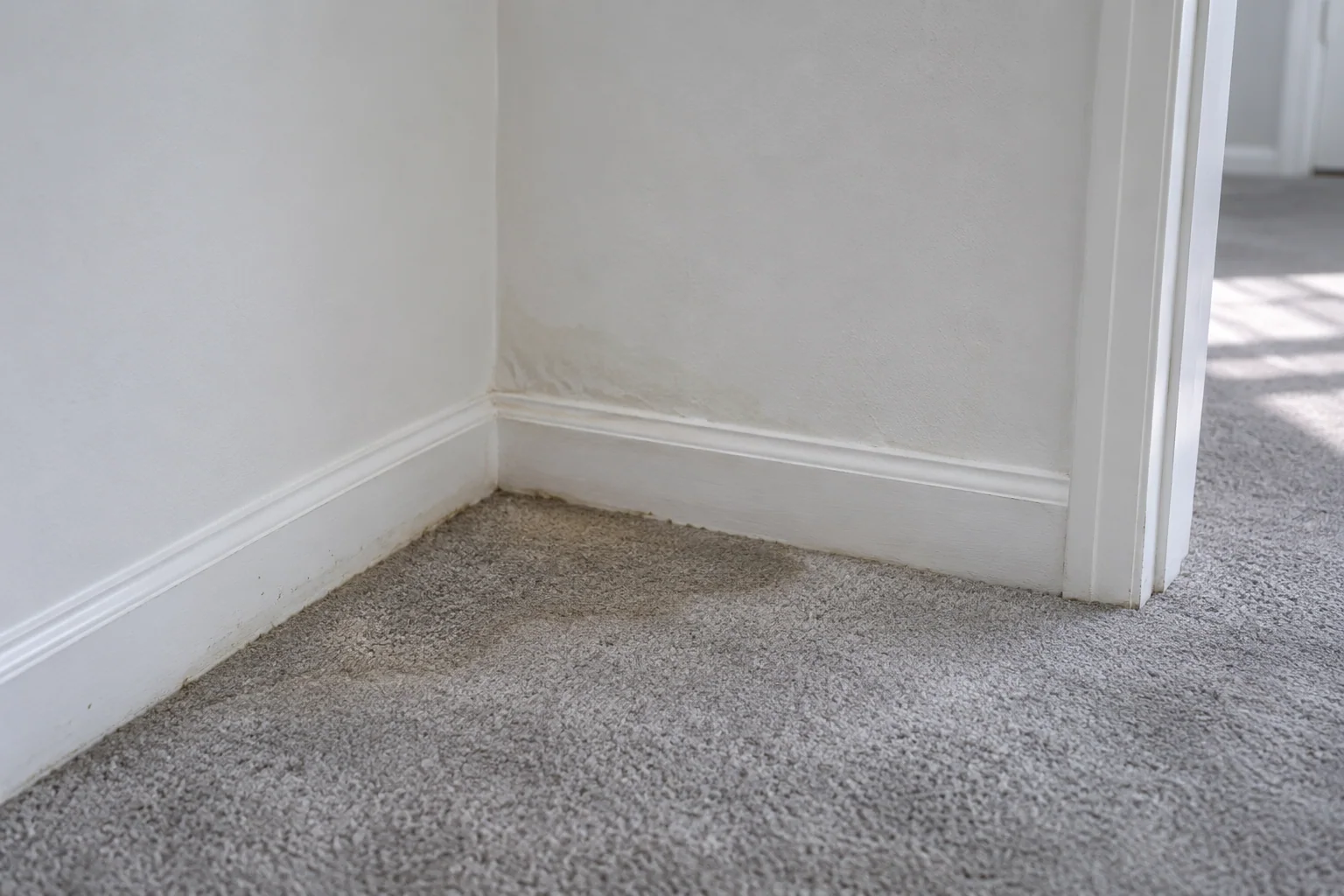
A short factual history is more useful than trying to identify a mold species from a photo. Record what you noticed without lifting or disturbing suspect material. If the water source is still active, arrange the appropriate response rather than starting with cosmetic treatment.
- Timing: when the leak, spill, odor or visible change was first noticed.
- Source: whether the water came from a known incident or the cause remains uncertain.
- Area: which room, edge, adjoining wall or nearby material appears affected.
- Previous actions: drying attempts and any products already applied.
- Recurrence: whether the area became damp or smelled musty again.
Dry-looking carpet is not a complete assessment.
The visible pile is only the top of the floor assembly. Conditions in the backing, cushion or adjoining materials may differ. EPA explains that porous material can be difficult or impossible to clean completely when moldy, which is why a routine surface-cleaning promise is the wrong starting point.
Ask the appropriate professional what needs inspection, which material can be retained and what happens after the moisture source has been addressed. Keep water-damage work, material removal and ordinary carpet cleaning distinct in the proposed work.
Do not use a cleaning result as a medical test.
A change in odor or appearance does not establish why someone has symptoms, and symptoms alone do not identify mold in a room. Seek healthcare advice for health concerns. If routine carpet care is appropriate after the actual moisture concern is resolved, explain the history when requesting that separate work.