
A professional carpet-cleaning appointment is most useful when it solves a specific maintenance problem. That might be soil left in a busy hallway, a spot that keeps returning or a room you want cleaned before furniture arrives. It is not a promise to make worn carpet new or a substitute for repairing water damage.
The Carpet and Rug Institute recommends regular vacuuming, prompt spill care and periodic professional cleaning. Your carpet manufacturer's instructions should guide the method and schedule. Here are ten practical reasons to consider an appointment, without turning those benefits into guarantees.
Address soil that ordinary vacuuming leaves behind. Vacuuming removes loose dry material, but an older traffic lane can contain more than surface dust. Describe where the carpet still looks soiled after routine care. Ask what preparation and cleaning approach is proposed for that particular material.
Assess spots before adding another product. A visible mark may be a removable deposit, transferred dye or damage. Professional assessment can help distinguish them. Explain what spilled, when it happened and everything already applied. A cleaning quote should acknowledge that not every discoloration will come out.
Support a consistent maintenance plan. An occasional appointment works alongside home care, not instead of it. Ask what to do between visits, including vacuuming and responding to spills. A practical routine is more useful than a deep-clean label with no explanation of the work.
Improve appearance where soil is the cause. Removing soil can freshen the look of a room. Cleaning cannot reverse every flattened fiber, faded patch or abrasion. Point out areas that seem different in color or texture so expectations reflect condition rather than a before-and-after promise.
Discuss recurring pet-related concerns. Odor, visible staining and contamination beneath the carpet are different issues. An appointment should start with that distinction. Do not assume a standard surface clean includes every backing, padding or odor treatment, or that fragrance proves a problem is resolved.
Plan an empty-room clean sensibly. A move or furniture change can make more floor accessible. Tell the cleaner when items leave or arrive, who provides access and when the room must be used again. Drying belongs in that plan, rather than being squeezed into a handover deadline.
Clarify furniture handling. Moving a lightweight table is not the same as moving a fragile cabinet or heavy sofa. Agree which pieces are moved, which remain and which exposed areas are included. These details prevent the room count from hiding a large difference in scope.
Consider the manufacturer's care requirements. Some carpet warranties specify particular maintenance, methods or documentation. Read your actual warranty and keep relevant records. Hiring a cleaner does not automatically preserve every warranty, and no universal timetable can replace the manufacturer's terms.
Separate cleaning from other property problems. Torn carpet, persistent dampness, a damaged backing or suspected mold may need a different response. Identifying those limits before booking helps prevent paying for ordinary cleaning when repair, replacement or specialist assessment is the real next step.
Get a clear, comparable quote. A useful quote names the rooms, halls, stairs, material and any extra treatment. It also explains exclusions, access, preparation and furniture arrangements. That lets you compare actual work instead of two offers that use the same words for different services.
Before you book.
Walk through the property and make a short room list. Photograph or describe the areas that concern you, note previous treatments and ask how preparation and return to use will be handled. Cleaning is not pest control, mold remediation or a guaranteed medical benefit. Those concerns need their own appropriate assessment.
For a Chandler property, start with the surfaces and location you want considered. We can discuss the cleaning scope and confirm availability before an appointment is arranged.
How to compare two carpet-cleaning quotes.
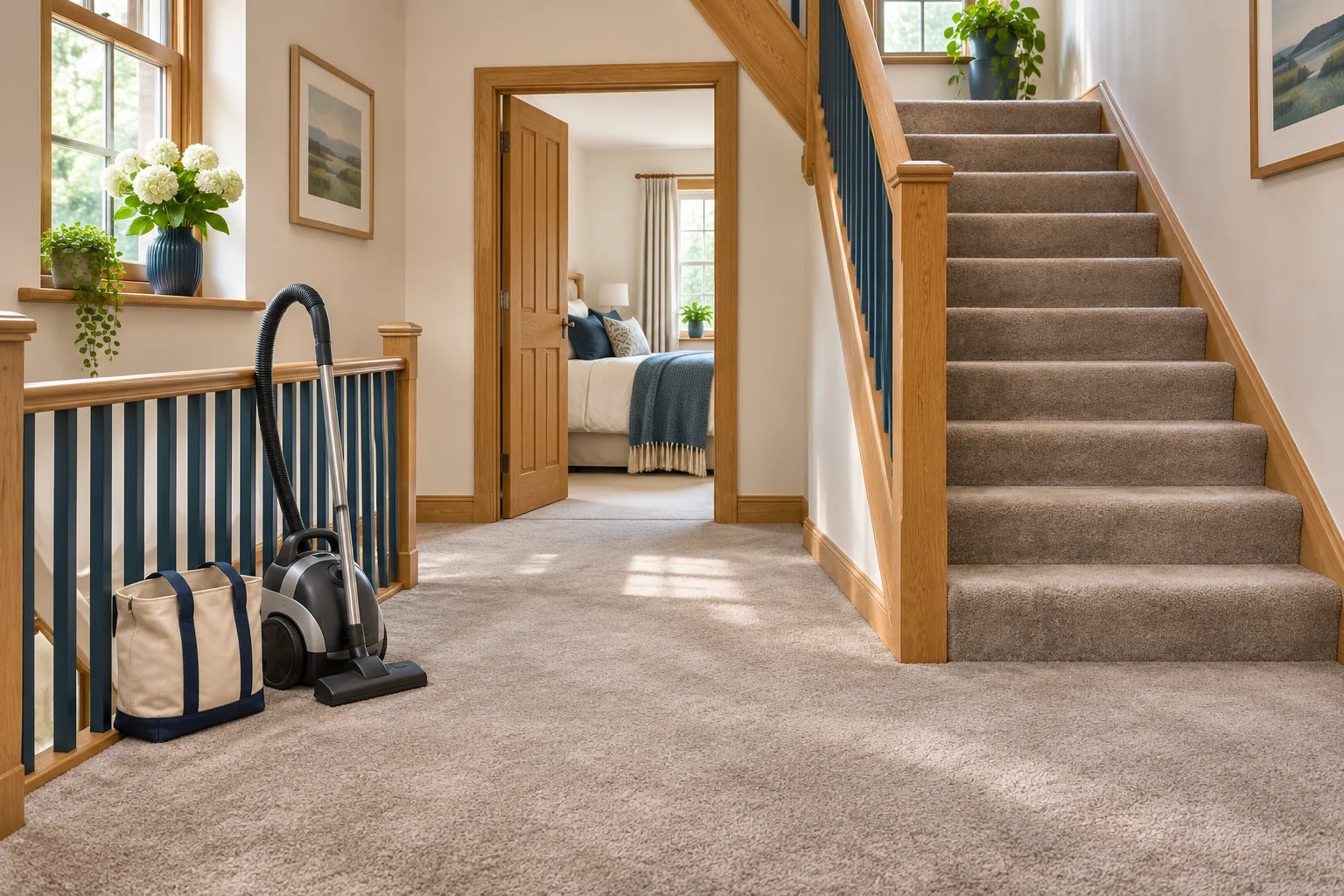
Compare the work described, not just the total. A room-based offer can differ from another quote in the treatment of halls, stairs, oversized rooms, furniture and isolated spots. Write down the same area list for each company so the comparison starts with the same job.
Swipe to compare →
| Ask about | Look for in the answer |
|---|---|
| Rooms and connections | Named rooms, halls, closets, landings and stair sections, plus how larger spaces are counted. |
| Material and condition | A question about the carpet and previous treatments, not an assumption that every carpet suits one process. |
| Additional work | Which spot or odor concerns are included and which need separate agreement. |
| Preparation | Who handles which furniture, what you should remove and how access will work. |
| Aftercare | Return-to-use guidance for the actual work and a way to raise questions afterward. |
If a stain is the main reason for booking, say that before agreeing to a whole-house package. Explain what caused it if known and what has already been applied. Ask whether the concern can reasonably be assessed before a result is promised. A clear limitation is more useful than an automatic guarantee.
Keep records for the carpet you bought.
Shaw's warranty guidance tells customers to retain purchase records and a small cutting of their carpet. Your own manufacturer's documents determine what maintenance evidence matters. Keep the quote or invoice and any written care advice with those records; do not assume a generic statement about professional cleaning answers the terms of a specific warranty.
Choose the option whose description you can understand and whose inclusions match the work you want. A logo, a machine name or a short promotional price does not replace those details.